
Standard Puppy Training Programme
From birth to 8 weeks, our puppies follow a carefully structured development programme designed to build confidence, resilience, social skills, and positive early habits before they leave for their forever homes.
Early Development From Birth to 8 Weeks
Our early training focuses on gentle exposure, positive associations, and age-appropriate learning. Each stage is introduced gradually, helping puppies become confident, adaptable, and ready for family life.
- Early neurological stimulation
- Scent and sound exposure
- Toilet and sleep area training
- Crate and car introduction
- Grooming and handling practice
- Basic manners and commands
Early Neurological Stimulation
ENS includes five gentle daily exercises designed to support neurological development, stress tolerance, cardiovascular health, and problem-solving skills.
- Tactile stimulation of the paw pad
- Head held upright
- Head held downward
- Supine position on the back
- Brief thermal stimulation on a cool cloth
Scent Stimulation
Puppies are introduced to a new safe scent item each day. This encourages curiosity, mental stimulation, confidence, and natural sniffing behaviour.
Sound Desensitisation
Puppies are gradually exposed to household and environmental sounds such as appliances, thunder, and fireworks at low volume, paired with positive experiences.
Toilet Training
A designated toileting area is introduced inside the whelping box using artificial grass or another chosen surface, with a marked training pad underneath to help puppies locate it by scent.
Sleep & Rest Area
A separate sleeping area is created to help puppies learn the difference between toileting, playing, and resting. Sleeping puppies are gently placed onto their bed to build association.
Weaning Process
Puppies are slowly introduced to solid food with small portions of soaked kibble once daily, helping them explore new textures and tastes.
Expanding Their World
Puppies are gradually given access to larger areas during the day while still returning to the whelping box at night. Toileting areas are slowly moved to encourage independence.
Crate Training
Crates are placed in the resting area with doors open, allowing puppies to explore calmly and associate crates with safety, comfort, and positive experiences.
Car Ride Introduction
Puppies are introduced to the car gradually, beginning with sitting in a stationary car, then hearing the engine, and finally progressing to short journeys.
Basic Commands
Puppies receive early introductions to simple foundations including sit, down, wait, come, and toilet cues.
Table Manners
Puppies begin learning calm behaviour around food, including waiting before meals and discouraging jumping, barking, or over-excitement.
People Socialisation
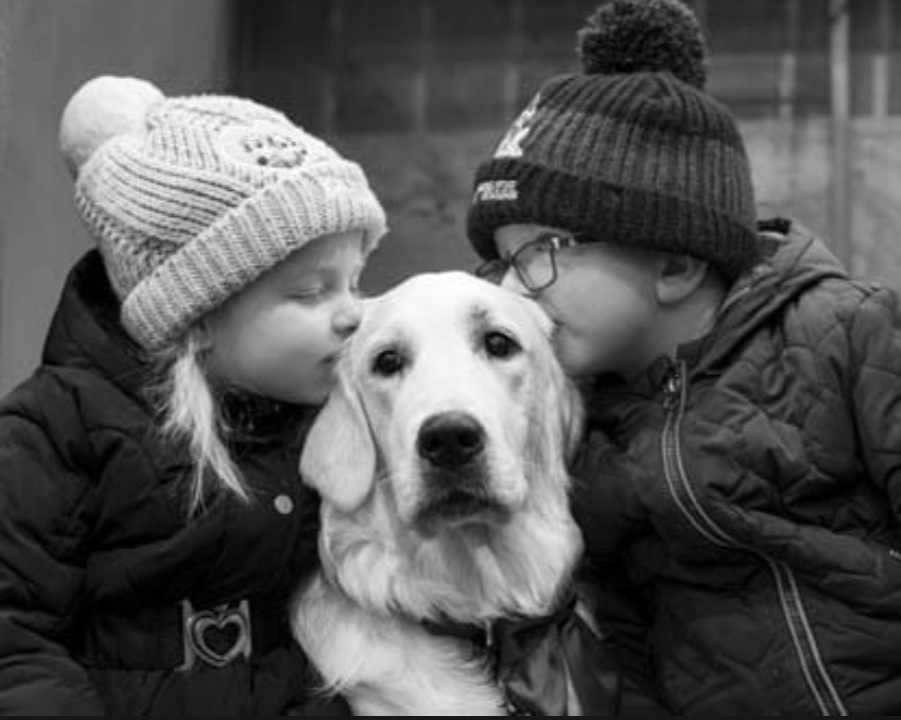
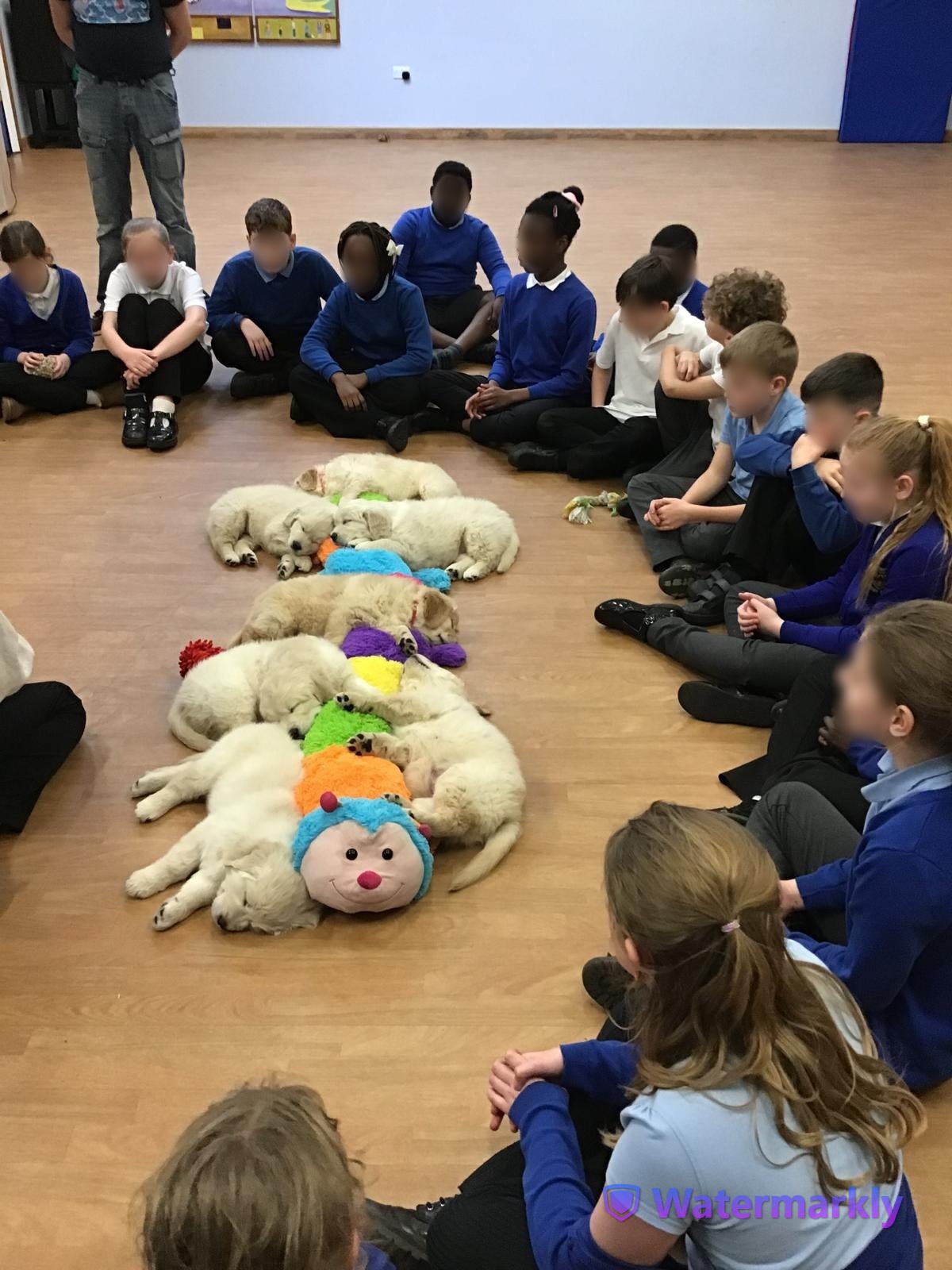
Puppies are exposed to a variety of people, including children, adults, and elderly visitors, helping them grow into confident family companions.
Grooming Exposure
Each puppy is introduced to grooming routines including bathing, towel drying, blow drying, brushing, and nail clipping.
Health Check Handling
Puppies are gently handled daily, with careful attention to ears, eyes, paws, and mouth, helping them feel comfortable with future vet checks and owner handling.
Outside World Exposure
Puppies are gradually introduced to calm outdoor environments, including quiet roads and slow-paced traffic exposure.
Household Life
Puppies experience everyday home environments including mops, brushes, hoovers, kitchen appliances, bathroom sounds, and general family activity.
Other Dogs
Puppies are given early, controlled introductions to other dogs, helping them learn calm and appropriate social behaviour.
Harness, Collar & Lead
Puppies are gently introduced to essential accessories such as collars, harnesses, and leads to prepare them for future walks and training.